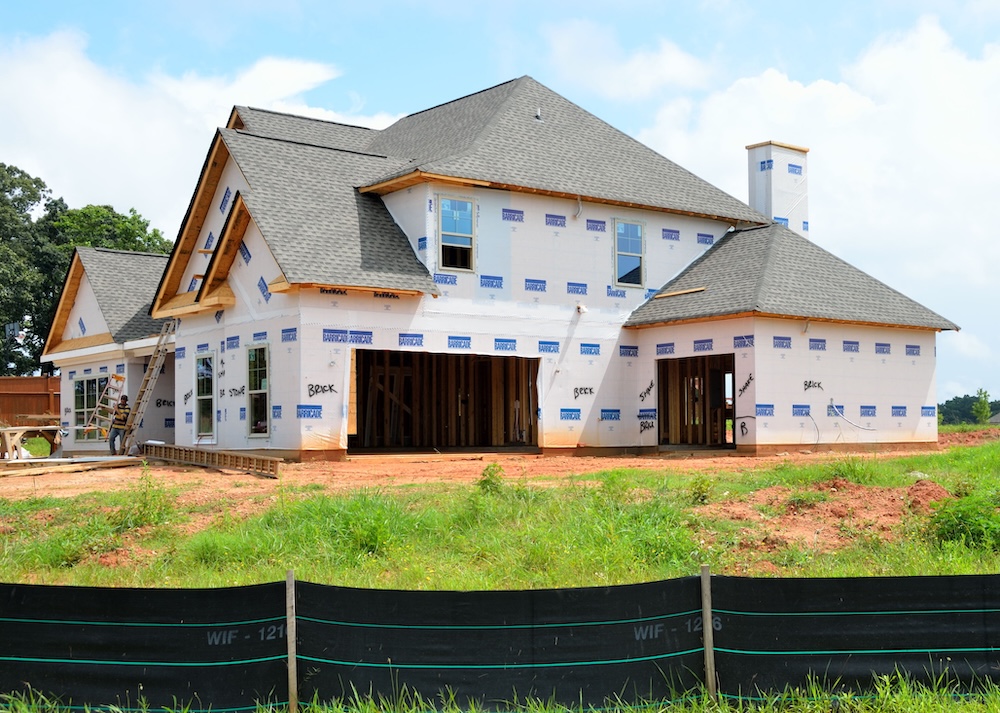
Choosing whether to develop a new build or convert an existing property is a decision that most property developers will have to make at some point. Both approaches offer distinct advantages and challenges, especially in areas constrained by space, high land values, and planning regulations, such as London and the South East.
So is there a ‘best’ option? Well, the answer is complicated and varies depending on your personal circumstances and the planned development, but this blog post explores which approach could be ideal for your next project.
The Pros and Cons of New Build Property Development
A new build is a tried-and-tested approach to property development in the South East, and comes with a range of benefits and considerations for you as a developer and for the eventual buyer.
Pros of New Builds
The benefits of choosing a new build for your next project include:
- Complete control over design and construction: Because you start from scratch, you can have full oversight on design, materials and budget. You can make decisions based on the availability and cost of contractors and materials, as well as design the property to the tastes of your intended buyer and local market trends.
- Predictability: Unlike conversions, new builds typically have fewer opportunities for nasty (and expensive) surprises, as you’ve been responsible for the project from the outset, especially if you avoid common property development mistakes.
- Modern layouts & energy efficiency: A new build allows you to design a home that suits modern tastes. Open plan living, lots of storage space, and attractive outdoor areas are all possible. At the same time, it’s often much easier to incorporate energy-efficient tech and materials from the outset, reducing cost and increasing desirability.
Cons of New Builds
- High land costs & green belt: The South East, and especially London, has some of the highest land costs in the country, significantly impacting budgets. Additionally, green belt and other protected areas, such as the South Downs National Park, High Weald, and North Downs, can further push up prices.
- Planning process & legislation: A 2024 FMB survey found that securing planning permission was the top barrier to 76% of small- and medium-sized property developers. Also, policies such as Biodiversity Net Gain, Section 106 Agreements, and local legislation can all apply to new build projects.
- Changing material and labour costs: Costs for materials and labour can change quickly, potentially leaving developers with cashflow problems mid-way through a project. In this case, a bridging loan may be a viable option to keep your development on track.
The Pros and Cons of Conversion Projects
The Pros of Converting Existing Properties
The benefits of choosing a conversion for your next project include:
- Quick turnarounds and simpler planning: Because you’re taking an existing building, planning permission is often much quicker and simpler to obtain. Likewise, the actual building and conversion can be turned around faster.
- Character, history & location: Available land in desirable places is hard to find. On the other hand, converting existing properties often allows you to create characterful homes in a perfect location. In turn, this can make it easier to sell or rent when the project is completed.
- Less work: Although it depends on the building you choose, existing properties may require less work and material to convert, meaning you can do it on a smaller budget.
The Cons of Converting Existing Properties
- Unexpected problems & delays: Existing properties, even if you do all your due diligence, can still hide problems. These potential issues can be anything from leaks to bad plumbing or wiring, or even structural issues and hazardous substances like asbestos.
As a result, it is always a good idea to have a strong contingency pot when undertaking property conversions.
- Energy efficiency: Older buildings may not have been built to modern standards, and both buyers and renters increasingly demand high EPC ratings. Retrofitting energy-efficient insulation, fittings, and features can be more expensive compared to a new build.
- Layouts: Existing buildings are much more limiting when it comes to choosing your layout, and you’ll often have to work within the constraints of what you have. While this doesn’t have to be a major issue, it can affect overall desirability.
- Safety & sound: Older buildings may need extensive sound and fireproofing during the conversion to ensure they’re safe and habitable, which can add additional material and labour costs.
Build or Convert? The Deciding Factor
For small property developers in the South East, the decision often comes down to the following variables. A new build is the long-game strategy that may be higher reward but with increased risk. It also demands significant capital upfront and resilience against planning or construction delays. A conversion may be more accessible and offer a quicker, cheaper route to market, as long as you can mitigate the risks we’ve outlined.
In towns and cities like London, Brighton, Portsmouth and Southampton, where available land is at a premium, converting existing properties may be the only viable option. On the other hand, rural or suburban locations might provide the perfect plot to develop a successful new build.
Regardless of your chosen strategy, we’re always eager to work with ambitious developers. We provide a range of property development finance options to get your project off the ground, and we can usually provide an agreement in principle within 7 days.
Contact us today to find out more.